Applejack: A Chubby Brush Script
There’s something undeniably charming about a font that feels like it was written with a brush, not a keyboard. Applejack is one such typeface—a chubby, expressive script that brings a handcrafted warmth to any design project. As a designer who often finds themselves in the middle of a blog redesign or an ebook layout, Applejack has become a go-to choice for adding personality without sacrificing clarity.
A Font That Speaks With Character
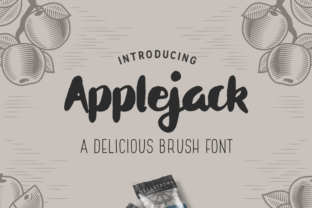
Applejack’s visual character is both playful and refined. Its thick, rounded strokes give it a soft, approachable feel, while the subtle variations in line weight suggest a human touch. This font isn’t just a style—it’s a mood. It leans into the idea of handwritten communication, making it ideal for projects that aim to feel personal and authentic.
When paired with a delicate sans serif, Applejack can create a beautiful contrast. The clean, modern lines of the sans serif provide balance, allowing the script font to shine as a focal point. This combination works particularly well in editorial layouts where visual hierarchy is key.
Real-World Applications
Consider a lifestyle blog looking to refresh its header. Applejack could be used for the site title, offering a friendly, inviting tone that aligns with the brand’s voice. Or imagine a recipe ebook where the title page features Applejack in a bold, centered layout—its charm sets the tone for the entire publication.
In a wedding guide, Applejack might appear in pull quotes or section headings, adding a romantic flair that complements the content. For a coaching workbook, it could be used in chapter openers or motivational quotes, reinforcing the message of inspiration and creativity.
Supporting Editorial Mood and Identity
Applejack’s personality makes it a strong choice for content branding. It can help define a publication’s identity, especially when used consistently across headers, titles, and decorative elements. Its warmth and expressiveness make it perfect for projects targeting audiences that value creativity, authenticity, and a touch of whimsy.
However, it’s important to recognize that Applejack isn’t suited for every part of a design. While it excels as a display font, it may not be the best choice for body text. Its expressive nature can make long paragraphs difficult to read, especially on smaller screens or in print formats. For these cases, a more traditional serif or sans serif font would be a better fit.
Readability and Practical Considerations
When using Applejack in digital formats, such as newsletters or web pages, it’s essential to consider readability. On mobile devices, the font’s curves and spacing need to be carefully adjusted to ensure legibility. In PDF exports, high-quality rendering is key to maintaining the font’s intended look.
For print materials, Applejack can add a unique touch, but designers should test it at various sizes to avoid issues with clarity. In long-form content, it’s best reserved for headings, subheadings, or short phrases rather than extended blocks of text.
Pairs Well With Clean, Readable Fonts
The right font pairing can elevate Applejack’s impact. A premium font like a classic serif or a minimalist sans serif can complement its personality without overshadowing it. This combination allows Applejack to serve as a visual anchor, drawing attention to key elements while keeping the overall design cohesive.
For example, a digital magazine might use Applejack for article titles and pull quotes, while the body text remains in a readable serif font. This approach ensures that the design remains both aesthetically pleasing and functionally effective.
Designing With Purpose
Applejack is more than just a pretty font—it’s a tool for storytelling. Whether it’s used in a printable planner, a course PDF, or a social media graphic, its expressive style adds a layer of personality that can resonate with audiences. It’s a font that invites engagement, making it ideal for content that aims to connect on an emotional level.
Before incorporating Applejack into a project, it’s wise to check the font’s features. Many script fonts include alternates, ligatures, and multiple weights, which can enhance their versatility. Additionally, ensuring that the font supports multilingual characters and is available in the correct file formats is crucial for commercial use.
For creators who rely on design assets, Applejack offers a fresh option that can differentiate their work from the crowd. Whether it’s for a newsletter header, a packaging design, or a logo, its unique character can help establish a strong brand identity.