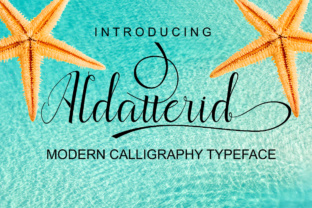
Aldatterid: A Beautiful Script Font for Business Branding
It was a busy morning at the local bakery, and I found myself staring at a stack of new product labels. The owner had just invested in a fresh packaging design, but something felt off. The text looked generic, unmemorable, and lacked that special touch that makes a brand stand out. That’s when I remembered Aldatterid—a beautiful calligraphy font with a traditional and classic appeal that could bring a sense of warmth and elegance to any business material.
Aldatterid is a script handwritten font that feels like it was crafted by an artist rather than a designer. Its flowing lines and delicate details give it a romantic and timeless quality, making it perfect for anything from wedding invitations to boutique tags. But what really caught my attention was how well it works in real-world branding scenarios, especially for small businesses looking to elevate their visual identity without breaking the bank.
How Aldatterid Enhances Branding Materials
One of the first places I tested Aldatterid was on a candle seller’s label. The original design was clean and professional, but the font felt a bit too modern and impersonal. Replacing the main text with Aldatterid added a soft, handmade feel that aligned perfectly with the brand’s aesthetic. It made the product feel more personal and authentic, which is exactly what a small business needs to connect with its audience.
Another practical use came when I helped a café update its menu. The previous design used a basic sans serif font that worked well for readability but didn’t reflect the cozy, inviting vibe of the space. By incorporating Aldatterid into the headings and special offers, we created a more visually engaging layout that felt cohesive and intentional. It wasn’t just about looking good—it was about creating a consistent experience that customers would recognize and remember.
Using Aldatterid in Different Design Contexts
Aldatterid shines best as a display font, especially for headlines, logos, and short phrases. Its intricate details make it less ideal for long paragraphs, but when used strategically, it can add a unique flair to any design. For example, using it for a boutique’s product tags or a skincare brand’s packaging title can instantly elevate the perceived quality of the item.
It also pairs beautifully with other fonts. I often recommend pairing it with a clean sans serif like Lato or Montserrat for contrast. This combination keeps the design from feeling too ornate while still maintaining a sense of sophistication. For a more elegant look, pairing it with a serif font like Georgia or Playfair Display can create a refined and polished feel.
Readability and Practical Considerations
When working with Aldatterid, it’s important to consider where and how it will be used. On small labels or mobile screens, the font can become difficult to read if not scaled properly. I always suggest testing it at different sizes and ensuring there’s enough spacing between letters. For printed materials like packaging or business cards, using it for short phrases or titles tends to work best.
For social media thumbnails or online shop banners, Aldatterid can be a great choice for eye-catching headlines. Just make sure to keep the text concise and avoid overcomplicating the design. The goal is to catch attention quickly while still maintaining a sense of professionalism and consistency.
Why Aldatterid Is a Smart Choice for Small Businesses
Typography plays a huge role in how a brand is perceived. A well-chosen font can make a business look more polished, trustworthy, and memorable. Aldatterid does exactly that—it adds a human touch to digital and print materials, helping small businesses stand out in a crowded market.
Whether you’re updating your product labels, redesigning your website banner, or creating a new set of thank-you cards, Aldatterid offers a versatile and stylish option that can fit a wide range of design needs. It’s not just about aesthetics; it’s about creating a cohesive brand identity that resonates with your audience.
Before using Aldatterid, I always recommend checking the font’s file formats, included styles, and licensing options. Making sure it’s compatible with your design software and suitable for commercial use is essential, especially if you’re working on client projects or selling products online.